

Water Damage
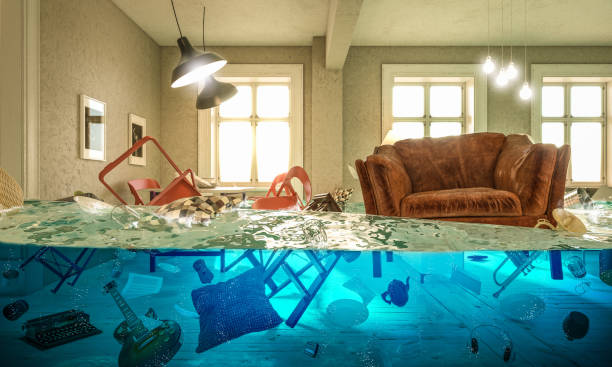
Water mitigation is the process of reducing or preventing the damage caused by water after a leak, flood, or other water intrusion. It involves immediate actions to remove water, dry affected areas, and prevent further structural damage or mold growth. Key steps include:
-Stopping the source of water
-Extracting standing water
-Drying and dehumidifying affected areas
-Cleaning and sanitizing
-Preparing for restoration if needed
Water mitigation is a critical first step in protecting property and ensuring a safe, healthy environment after water damage.
Fire Damage
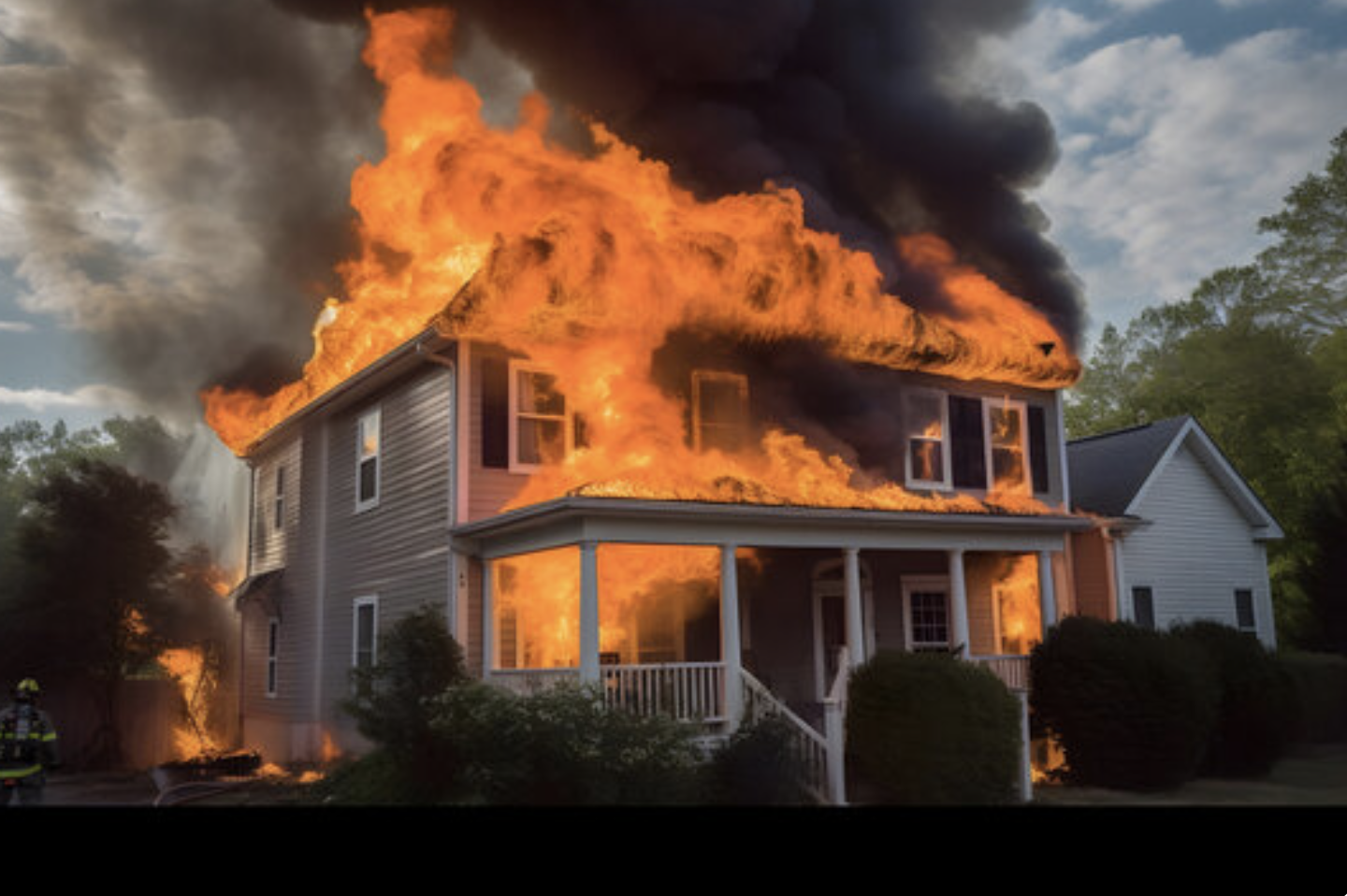
Fire damage remediation is the process of cleaning up and restoring a property after a fire. It involves removing smoke, soot, and debris, addressing water damage from firefighting efforts, and repairing or rebuilding damaged structures. Key steps include:
- Assessing the extent of fire, smoke, and water damage
- Securing the property (board-up and roof tarping)
- Removing debris and damaged materials
- Cleaning and deodorizing affected areas
- Repairing and restoring the structure
The goal of fire damage remediation is to return the property to a safe, livable condition as quickly and efficiently as possible.
Mold Remediation

Mold remediation is the process of identifying, containing, and removing mold from a property to ensure a safe and healthy environment. It involves addressing the source of moisture that caused the mold and thoroughly cleaning affected areas to prevent future growth. Key steps include:
- Inspecting and assessing mold presence
- Containing the affected area to prevent spread
- Removing mold-contaminated materials
- Cleaning and sanitizing surfaces
- Drying and fixing moisture issues
Mold remediation helps protect both property and health by eliminating harmful mold spores and preventing recurrence.
Emergency Board Up

Emergency board-up is the process of quickly securing a property after damage from events like fires, storms, vandalism, or break-ins. The goal is to protect the building from further damage, unauthorized entry, and weather exposure. Key steps include:
-Assessing structural vulnerabilities
-Boarding up broken windows, doors, and exposed openings
-Tarping damaged roofs if needed
Ensuring the property is safe and secure
Emergency board-up is a critical first step in protecting property and beginning the restoration process after unexpected damage.
Trauma/Crime Scene
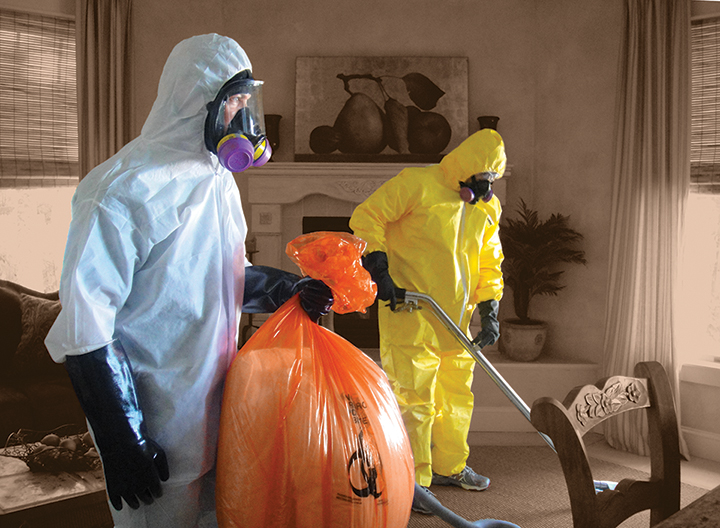
Trauma and crime scene cleanup is the professional process of safely cleaning, disinfecting, and restoring areas affected by traumatic events such as accidents, suicides, homicides, or unattended deaths. It involves handling biohazardous materials like blood and bodily fluids in compliance with health and safety regulations. Key steps include:
- Assessing the scene and ensuring safety
- Removing biohazards and contaminated materials
- Cleaning, disinfecting, and deodorizing affected areas
- Properly disposing of hazardous waste
- Restoring the area to a safe, livable condition
This specialized service is performed with compassion, discretion, and strict adherence to regulatory standards.
Asbestos Testing

Asbestos testing is the process of identifying the presence of asbestos-containing materials (ACMs) in a building, typically before renovation, demolition, or after suspected exposure. Asbestos is a hazardous material that can pose serious health risks when disturbed. Key steps include:
- Inspecting and collecting samples from suspected materials
- Sending samples to a certified laboratory for analysis
- Identifying the type and concentration of asbestos
- Providing a detailed report with findings and safety recommendations
Asbestos testing is essential for ensuring a safe environment and complying with health and safety regulations.
Air Quality Testing
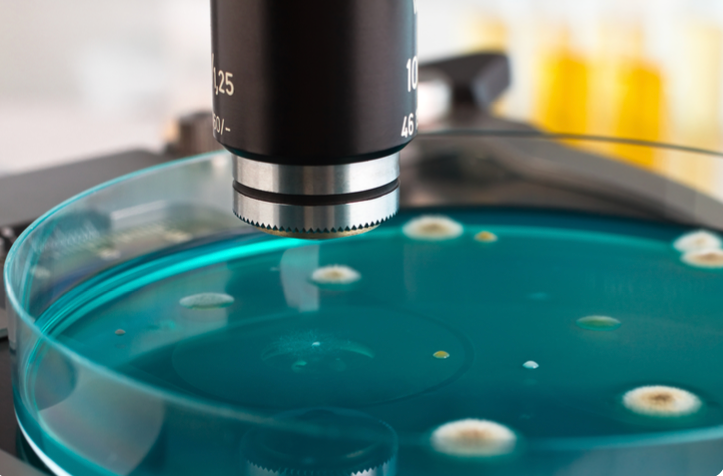
Air quality testing is the process of analyzing indoor air to detect pollutants, allergens, toxins, or harmful gases that could affect health and comfort. It helps identify hidden issues like mold spores, VOCs (volatile organic compounds), carbon monoxide, or dust particles. Key steps include:
-Conducting a thorough inspection of the property
-Using specialized equipment to collect air samples
-Analyzing samples in a certified lab or with on-site instruments
-Identifying pollutants and their levels
-Providing a detailed report with recommendations for improvement
Air quality testing is crucial for maintaining a healthy indoor environment, especially in homes or buildings with occupants experiencing unexplained health symptoms.
Lead Testing

Lead testing is the process of detecting the presence of lead-based paint or lead-contaminated dust, soil, or water in a property—especially in buildings constructed before 1978, when lead-based paint was commonly used. Exposure to lead can pose serious health risks, particularly to children and pregnant women. Key steps include:
- Inspecting areas likely to contain lead (paint, pipes, soil)
- Collecting samples from surfaces, dust, water, or soil
- Analyzing samples in a certified laboratory
- Identifying lead levels and potential exposure risks
- Providing a report with findings and recommendations
Lead testing is essential for ensuring safety during renovations and for maintaining a healthy living or working environment.
Encapsulation

Crawlspace encapsulation is the process of sealing and protecting a crawlspace to improve air quality, reduce moisture, and prevent issues like mold, wood rot, and pest infestations. It involves creating a clean, dry, and controlled environment beneath the home. Key steps include:
- Cleaning and removing debris from the crawlspace
- Sealing vents and gaps to block outside air and moisture
- Installing a heavy-duty vapor barrier on the floor and walls
- Adding insulation and a dehumidifier if needed
- Ensuring proper drainage and sump pump installation (if applicable)
Encapsulation helps protect the home’s structure, lowers energy bills, and improves indoor air quality.
Drip Dry Restoration
911 Clinch Ave Clinton, TN 37716
865-279-5060
DripDryRestoration@DripDryRestore.com
Your message has been sent


Contact Us
Address:
911 Clinch Ave
Clinton TN, 37716
Phone:
865-279-5060
Email:
dripdryrestoration@dripdryrestore.com
Service Locations
- Knoxville
- Sevierville
- Powell
- Seymour
- Anderson
- Maryville
- Oak Ridge
- Maynardville
- Karns
- Lenoir City
- Farragut
- Loudon
Operating Hours
24/7
365 days a year

